
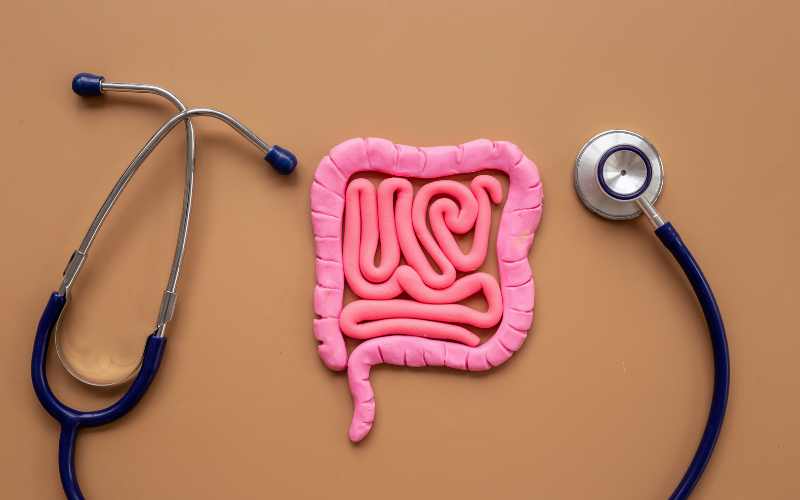
Most people don’t know the difference between probiotics and prebiotics they hear about probiotics and prebiotics but aren’t sure how they differ or why both matter for your gut health. Understanding these two can help you make smarter choices about your diet and supplements. Probiotics are live beneficial bacteria that support your digestive system, while prebiotics are non-digestible fibers that feed these good bacteria.
Together, they create a balanced environment in your gut, promoting overall wellness. Knowing this distinction empowers you to improve your digestive health more effectively. Let’s take a deep dive into understanding the difference between Probiotic and Prebiotics by Contributing Author Charlotte Hall from Meet Your Body, dissecting its ingredients, benefits, potential side effects, and product recommendation based on my research.
To optimize your gut flora, consider a high-quality supplement like Vitamynn’s Probiotic 40 Billion with Prebiotics. This combination product delivers both probiotics and prebiotics in one convenient formula to support your digestive wellbeing. Take action today and give your gut the comprehensive care it deserves!
Difference Between Probiotics and Prebiotics Key Takeaways:
- Probiotics are live beneficial bacteria that help maintain the natural balance of organisms in the gut.
- Prebiotics are non-digestible fibers that serve as food for probiotics, promoting the growth of these healthy bacteria.
- Combining probiotics with prebiotics enhances digestive health more effectively than taking either alone.
For optimal gut health, consider incorporating a high-quality supplement like Vitamynn’s Probiotic 40 Billion with Prebiotics. This product blends powerful probiotic strains with prebiotic fibers to support digestion and immunity. Take a step toward better wellness today!
Understanding Probiotics
Definition of Probiotics
A probiotic is a live microorganism that you can consume through certain foods or supplements to improve your gut health. These friendly bacteria work by restoring the natural balance of microorganisms in your intestines, which may be disrupted by illness, antibiotic use, or diet. By supporting your digestive system, probiotics can enhance nutrient absorption and promote overall wellness.
By introducing beneficial bacteria into your digestive tract, probiotics help maintain a healthy environment that discourages the growth of harmful pathogens. They interact with your immune system and influence various metabolic activities, thereby playing a vital role in your body’s defense mechanisms.
Types of Probiotics
Below is a table highlighting some common types of probiotics along with their characteristics:
| Type | Characteristics |
|---|---|
| Lactobacillus | Common in yogurt and fermented foods; helps break down lactose. |
| Bifidobacterium | Found in dairy products; supports digestion and reduces inflammation. |
| Saccharomyces boulardii | A beneficial yeast; effective in treating diarrhea and gut infections. |
| Streptococcus thermophilus | Used in cheese and yogurt; produces lactase enzyme aiding digestion. |
| Enterococcus faecium | Supports immune function; found naturally in the gastrointestinal tract. |
Understanding the diverse range of probiotics can help you select the most appropriate one for your personal health needs. Each type offers unique benefits and works best in combination with others to improve your digestive ecosystem. After exploring these options, you might find that a blend providing multi-strain support offers the greatest advantage.
Sources of Probiotics
Against a backdrop of increasing interest in natural health enhancers, probiotics are accessible through many dietary sources. You can find them naturally in fermented foods like yogurt, kefir, sauerkraut, kimchi, and miso. These foods contain live cultures that actively support the population of beneficial gut bacteria.
Considering supplements can also be an excellent way to ensure you get an effective and concentrated dose of probiotics. Supplements such as Vitamynn’s Probiotic 40 Billion with prebiotics deliver targeted strains that might be harder to obtain through food alone, giving you control over your intake and regularity.
Health Benefits of Probiotics
Between improving digestive health and boosting your immune system, the benefits of probiotics are extensive. They can help reduce symptoms of irritable bowel syndrome (IBS), improve nutrient absorption, and prevent harmful bacteria overgrowth by maintaining a balanced gut flora.
Sources suggest that beyond gut health, probiotics may also positively influence mental health conditions such as anxiety and depression, thanks to the gut-brain axis. Their role in enhancing skin conditions like eczema and supporting weight management further extends their value.
Incorporating probiotics into your daily routine, whether through fermented foods or supplements, can provide a comprehensive approach to wellness. After assessing your individual needs, choosing a well-formulated probiotic product becomes an effective strategy for long-term health maintenance.
To support your gut health journey, consider trying Vitamynn Probiotic 40 Billion with Prebiotics. This potent formula combines the power of multiple strains with prebiotics to promote optimal digestion and immune support. Take action today to enhance your well-being from within!
Understanding Prebiotics
Definition of Prebiotics
Some experts describe prebiotics as a special type of dietary fiber that feeds the beneficial bacteria in your gut. An vital function of prebiotics is to serve as nourishment for probiotics, supporting their growth and activity in your digestive system. Unlike probiotics, which are live microorganisms, prebiotics are non-living compounds that you consume through your diet.
To put it simply, prebiotics act as fertilizers in your gut ecosystem by promoting the growth of good bacteria. When you include prebiotics in your diet, you’re vitally helping your digestive system maintain a healthy balance of microorganisms that can enhance digestion, immunity, and overall well-being.
Types of Prebiotics
For a clearer understanding, here is a table breaking down some common types of prebiotics and their characteristics:
| Type of Prebiotic | Description |
|---|---|
| Inulin | Found in chicory root and onions; supports beneficial bacteria growth |
| Fructooligosaccharides (FOS) | Naturally present in fruits and vegetables; aids in calcium absorption |
| Galactooligosaccharides (GOS) | Derived from milk sugars; promotes bifidobacteria in the gut |
| Resistant starch | Found in cooked and cooled potatoes and rice; feeds friendly gut microbes |
| Beta-glucans | Present in oats and barley; helps regulate blood sugar and immune function |
- Each type has unique effects on your gut bacteria.
- Some prebiotics target specific bacterial strains.
- Including a variety ensures a diverse and balanced microbiome.
Knowing which types of prebiotics affect your gut microbiome can help you tailor your diet and supplement choices for optimal results.
Prebiotics come in several forms that vary depending on their chemical composition and source. For example, inulin and fructooligosaccharides (FOS) are naturally occurring fibers often found in plants, while galactooligosaccharides (GOS) are typically derived from dairy products. Resistant starches behave like fibers, escaping digestion in the small intestine to nourish bacteria in the colon.
Your daily intake can include these types through a balanced diet or targeted supplements designed to enhance specific bacterial families. This variety ensures that the beneficial bacteria in your gut get the nourishment they need to thrive.
- Incorporate different prebiotic types for a broader impact on gut health.
- Understand the source to manage potential allergies or sensitivities.
- Combine prebiotics with probiotics for synergistic benefits.
Knowing the differences in prebiotic types helps you make informed decisions about how best to support your digestive system’s microbial balance.
Sources of Prebiotics
Beside supplements, you find prebiotics naturally occurring in a variety of everyday foods. These include items like garlic, onions, leeks, asparagus, bananas, and whole grains such as oats and barley. These foods contain fibers that are not digested by your stomach or small intestine but rather provide vital fuel for your gut bacteria.
Consuming a diet rich in these foods helps cultivate a healthy gut flora and supports digestive wellness naturally. You can also complement your diet with specially formulated prebiotic supplements to ensure that you’re meeting your daily intake requirements.
Prebiotics in food vary widely in concentration and type, so balancing your sources is an effective approach. Eating a rainbow of fruits and vegetables alongside whole grains will cover several types of prebiotic fibers, enhancing gut diversity. Additionally, for those with busy lifestyles, prebiotic supplements can act as convenient, reliable sources to fortify your gut health.
Health Benefits of Prebiotics
Benefits of prebiotics extend well beyond just feeding your gut bacteria. They contribute to improved digestion, enhanced immune function, and even better mood regulation by influencing the gut-brain axis. Prebiotics help increase the production of short-chain fatty acids like butyrate, which maintain your intestinal lining and reduce inflammation.
Inclusion of prebiotics in your lifestyle can also positively impact nutrient absorption, aiding in better uptake of minerals such as calcium and magnesium. By strengthening your gut barrier and promoting the growth of beneficial microbes, prebiotics play a vital role in overall health and disease prevention.
Considering these benefits, it is clear that incorporating prebiotics into your daily routine can have a profound effect on your well-being. When combined with probiotics, the effect is amplified, supporting a comprehensive approach to maintaining gut health. For this reason, products that combine probiotics and prebiotics, such as the Probiotic 40 Billion with Prebiotics from Vitamynn, offer you an easy and effective way to support your digestive system.
Knowing the difference between probiotics and prebiotics if you want to optimize your gut health, explore the Probiotic 40 Billion with Prebiotics by Vitamynn. It delivers a powerful combination of live probiotic cultures and prebiotic fibers that work synergistically to promote a balanced microbiome. Take charge of your digestive wellness today by giving your gut the nutrition it needs to thrive.
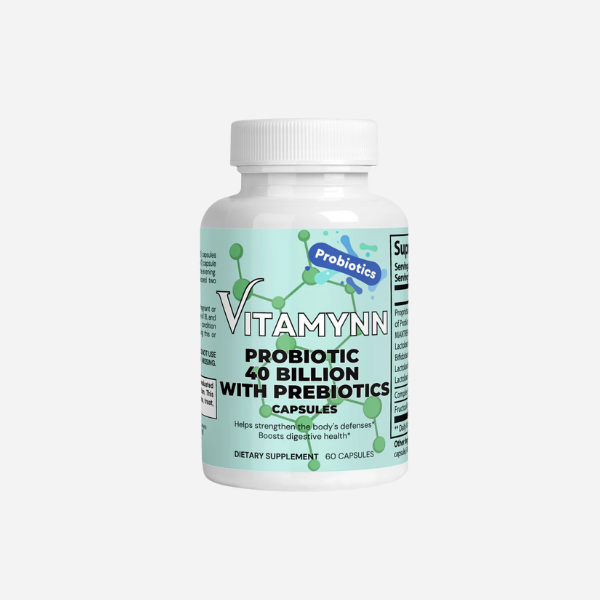
Click here to visit Vitamynn’s official website!
Mechanisms of Action
How Probiotics Function
To begin with, probiotics work by introducing live beneficial bacteria into your digestive system. These friendly microorganisms help balance the composition of your gut flora, which can be disrupted by factors like stress, poor diet, or antibiotics. By colonizing your gut, probiotics compete with harmful bacteria for nutrients and attachment sites, effectively reducing the population of pathogens that might otherwise cause digestive issues or infections.
Additionally, probiotics contribute to your immune system regulation. They stimulate the production of antibodies and enhance the activity of specific immune cells, thereby supporting your body’s natural defenses. You can think of probiotics as active agents that maintain harmony within your gut ecosystem, promoting overall digestive health and well-being.
How Prebiotics Function
At their core, prebiotics are non-digestible fibers that serve as food for the beneficial bacteria residing in your gut. Since you cannot digest these fibers, they travel intact to the colon where they are fermented by your healthy gut bacteria. This fermentation process produces short-chain fatty acids that nourish the cells lining your colon and create an environment favorable to beneficial bacteria growth.
Moreover, prebiotics selectively stimulate the activity and growth of specific probiotics already present in your gut. By enhancing the population and function of these helpful microbes, prebiotics indirectly influence your digestive health, immune response, and even mental well-being.
Understanding this, you can see how prebiotics act as a vital support system for your gut flora. They ensure that the beneficial bacteria you cultivate through diet or supplements have the nutrients they need to thrive and provide you with their health benefits.
Synergistic Effects of Probiotics and Prebiotics
Probiotics and prebiotics work best when paired together, creating a synergistic relationship known as synbiotics. Probiotics introduce beneficial bacteria to your gut, while prebiotics nourish and sustain these bacteria, enhancing their survival and colonization. This combined effect amplifies the potential health benefits you receive, including improved digestion, enhanced immune function, and better overall gut health.
When you consume both probiotics and prebiotics simultaneously, you support a balanced and resilient gut microbiome more effectively than when taking either alone. This symbiotic interaction helps maintain optimal microbial diversity, a key factor in your body’s ability to fend off pathogens and absorb nutrients efficiently.
Effects of this synergy are particularly important when you are introducing new strains of probiotics or trying to restore gut health after disturbances like antibiotic treatment. Together, they create an environment where beneficial bacteria flourish, giving you a stronger foundation for long-term digestive wellness.
If you want to harness the full power of probiotics and prebiotics, consider trying the Probiotic 40 Billion with Prebiotics by Vitamynn. This formulation is designed to provide both live beneficial bacteria and the fibers they need to thrive, helping you support your gut health effectively. Taking action with a quality product like this can make a notable difference in your digestive health journey.
Comparing Probiotics and Prebiotics
Key Differences Between Probiotics and Prebiotics
Prebiotics serve as the nourishing fuel for the beneficial bacteria residing in your gut, whereas probiotics are the actual live bacteria that contribute to enhancing your gut flora. Understanding their individual functions helps you make informed choices about your digestive health. While probiotics introduce helpful bacteria directly, prebiotics stimulate the growth and activity of these bacteria by providing crucial fiber and nutrients.
Another key difference lies in their sources: probiotics are typically found in fermented foods and supplements, whereas prebiotics are naturally present in fiber-rich foods like fruits, vegetables, and whole grains. By recognizing these distinctions, you can better balance your diet to support a healthy microbiome.
Key Differences Table
| Probiotics | Prebiotics |
|---|---|
| Live beneficial bacteria | Non-digestible fibers that feed bacteria |
| Found in fermented foods and supplements | Found in fiber-rich fruits, vegetables, and grains |
| Directly adds to gut microbiota | Promotes growth of existing bacteria |
Similarities Between Probiotics and Prebiotics
By supporting the balance and diversity of your gut microbiome, both probiotics and prebiotics contribute to your overall digestive wellness. They work in synergy to promote healthy gut function and can improve your body’s ability to absorb nutrients effectively.
Both elements are naturally occurring and can be incorporated into your diet through whole foods or supplements, making them accessible tools for improving your gut health. Additionally, their positive effects extend beyond digestion to support immune function and general wellbeing.
It’s worth noting that while probiotics and prebiotics serve distinct roles, their combined use enhances the benefits each provides, creating a comprehensive approach to maintaining your digestive system.
Nutritional Value Comparison
The nutritional contributions of probiotics and prebiotics differ significantly based on their nature. Probiotics deliver live microbes with potential health-promoting properties but do not provide traditional nutrients like vitamins or minerals. In contrast, prebiotics primarily provide dietary fibers that contribute to your daily fiber intake, crucial for digestive health.
When considering supplements, it’s important to evaluate the viability of probiotic strains and the type of prebiotic fibers included, as these factors influence their effectiveness. Your choice can be guided by your dietary needs and digestive health goals.
Nutritional Value Table
| Probiotics | Prebiotics |
|---|---|
| Live microbes; no caloric or fiber content | Non-digestible fibers; contribute calories and fiber |
| Help balance gut flora | Feed beneficial bacteria, enhancing their growth |
| May improve digestion and immunity | Support bowel regularity and mineral absorption |
Probiotics and prebiotics complement each other nutritionally by addressing different aspects of your gut ecosystem. Having a balanced intake of both ensures you supply your digestive system not only with the right bacteria but also with the nutrients necessary for them to thrive.
To maximize your gut health, consider products like Vitamynn’s Probiotic 40 Billion with Prebiotics, which combines potent probiotic strains with prebiotic fibers to support your digestive system effectively. Incorporating such supplements into your routine can provide a convenient way to maintain your gut balance and overall wellness.
Dietary Considerations
When to Use Probiotics
Along your journey to maintaining a balanced digestive system, you might find that incorporating probiotics into your diet helps restore the good bacteria in your gut. Probiotics can be particularly beneficial after antibiotic use, which may disrupt your natural gut flora, or during periods of digestive imbalance, such as bloating or irregular bowel movements. By introducing live beneficial bacteria, you support a healthier digestive environment.
Additionally, if you’re experiencing symptoms of digestive discomfort or aiming to strengthen your immune system, probiotics could serve as a supportive addition. It’s important that you choose probiotic products with specific strains that target your individual concerns and ensure they have adequate colony-forming units (CFUs) to be effective.
When to Use Prebiotics
The role of prebiotics in your diet is to nourish and encourage the growth of good bacteria already present in your gut. Instead of introducing new bacteria, prebiotics act as food for these beneficial microbes, improving their function and diversity. Naturally found in fiber-rich foods like onions, garlic, and bananas, prebiotics are crucial if your goal is to enhance gut health gradually through diet.
Incorporating prebiotics into your routine is particularly advantageous if you want to sustain your microbiome’s balance over time or prepare it to better respond to probiotic supplementation. They play a subtle yet influential role in maintaining overall digestive wellness.
Understanding when to focus on prebiotics will help you optimize your gut environment. While probiotics add new bacterial strains, prebiotics ensure that these and your existing microbes have the necessary nourishment to thrive and contribute to your well-being.
Potential Side Effects and Considerations
Around introducing probiotics and prebiotics into your daily intake, it’s important to be mindful of how your body reacts. Some people experience mild digestive symptoms like gas, bloating, or changes in stool frequency when they start using these supplements. These effects are usually temporary but can signal that you should adjust the dosage or frequency.
Additionally, if you have underlying health conditions or a compromised immune system, consulting with a healthcare professional before starting probiotics or prebiotics is advisable. Ensuring that the products you choose are high-quality and properly labeled can also help minimize any unwanted effects.
To avoid complications, start with smaller doses and gradually increase as your body adapts. Monitoring your response will allow you to tailor your supplementation for the best outcomes without discomfort.
For an effective combination of probiotics and prebiotics tailored to support your digestive health, consider the Probiotic 40 Billion with Prebiotics from Vitamynn. Packed with potent strains and nourishing prebiotics, this product can help enhance your gut flora balance. Explore it today and take a positive step towards improved wellness: Vitamynn Probiotic 40 Billion with Prebiotics.
Probiotics and Prebiotics in Research
Recent Studies on Probiotics
At the forefront of health research, probiotics continue to gain attention for their potential benefits on your digestive and immune systems. Recent studies have demonstrated how specific probiotic strains can help restore gut balance, particularly after antibiotic use or gastrointestinal disturbances. They show promising results in reducing symptoms associated with irritable bowel syndrome and enhancing your body’s ability to fight off certain infections.
Research has also expanded into exploring how probiotics might influence mental health by interacting with the gut-brain axis. This emerging field suggests that by including probiotics in your diet, you may support mood regulation and cognitive functions. However, these findings highlight the importance of strain-specific research, emphasizing that not all probiotics deliver the same effects.
Recent Studies on Prebiotics
Below the surface, prebiotics play a different yet complementary role in your gut health by nourishing beneficial bacteria. Recent scientific investigations have explored how prebiotics such as inulin and fructooligosaccharides selectively stimulate the growth of helpful microbes in your intestines. These studies reveal prebiotics’ capacity to enhance calcium absorption and improve metabolic health, which can be advantageous for your overall well-being.
Studies investigating the impact of prebiotics have also focused on their ability to modulate immune responses and reduce inflammation. By enriching your gut ecosystem with the appropriate prebiotics, research suggests that you might experience improved gut barrier function and enhanced protection against certain gastrointestinal diseases.
Studies continue to widen our understanding of how different types of prebiotics affect your microbiome. These nuanced insights can guide you to make informed choices about supplements and dietary changes tailored specifically to your health goals.
Future Directions in Research
Prebiotics and probiotics research is moving towards personalized nutrition, where you could soon see customized treatments based on your unique gut microbiota profile. Scientists are also investigating synbiotics—combinations of probiotics and prebiotics—which may deliver enhanced benefits by supporting probiotic survival and activity within your gut.
Emerging technologies using genomic and metabolomic tools will allow researchers to identify new strains and prebiotic compounds that better support your digestive and immune health. This approach aims to refine recommendations and products for more targeted and effective interventions.
Another exciting future direction involves exploring the role of gut microbiota modulation in managing chronic diseases like diabetes, obesity, and neurological disorders. The hope is that by better understanding these connections, you will benefit from innovative therapies that integrate probiotics and prebiotics as part of holistic health management strategies.
If you want to enhance your gut health with a high-quality supplement, consider trying the Probiotic 40 Billion with Prebiotics from Vitamynn. This product combines powerful probiotic strains with effective prebiotics, supporting your digestive and immune health. Take the next step towards a balanced gut and optimized wellness by adding it to your daily routine today.
Frequently Asked Questions
Q1: What are probiotics and how do they work?
A1: Probiotics are live beneficial bacteria that help maintain or restore the natural balance of the gut microbiota. They support digestive health by promoting the growth of good bacteria and inhibiting harmful bacteria, which can improve digestion and boost the immune system.
Q2: What are prebiotics and what role do they play?
A2: Prebiotics are non-digestible fibers that serve as food for probiotics and other beneficial bacteria in the gut. They help stimulate the growth and activity of these microbes, enhancing gut health and aiding in better nutrient absorption.
Q3: What is the difference between probiotics and prebiotics?
A3: The key difference is that probiotics are actual live microorganisms, while prebiotics are substances (mostly fibers) that feed these microorganisms. Probiotics add beneficial bacteria to the gut, whereas prebiotics help existing bacteria flourish.
Q4: Can I take probiotics without prebiotics?
A4: Yes, you can take probiotics without prebiotics, but combining both is often more effective. Prebiotics support the survival and function of probiotics in the digestive tract, potentially enhancing their benefits.
Q5: Are there any natural food sources of probiotics and prebiotics?
A5: Yes, probiotic-rich foods include yogurt, kefir, sauerkraut, and kimchi. Prebiotic sources include foods like garlic, onions, leeks, asparagus, and bananas. Including both in your diet helps maintain a healthy gut flora.
Q6: How can I choose a good supplement that contains both probiotics and prebiotics?
A6: Look for supplements that specify the strains of probiotics included and the amount of colony-forming units (CFUs), as well as prebiotics like inulin or fiber types. Quality, potency, and third-party testing are good indicators of an effective product.
Q7: What makes Vitamynn’s Probiotic 40 Billion with Prebiotics a noteworthy option?
A7: Vitamynn’s Probiotic 40 Billion with Prebiotics combines a high potency of beneficial probiotic strains with prebiotics in one formula. This blend supports digestive health by promoting optimal gut flora balance. Its carefully selected strains and inclusion of prebiotics make it a convenient and effective choice for those looking to enhance their gut wellness.
Conclusion
Understanding the synergy and difference between probiotics and prebiotics it can help you optimize your digestive health. For a powerful combination that addresses both aspects, consider trying Vitamynn’s Probiotic 40 Billion with Prebiotics. Adding this supplement to your daily routine offers an easy way to support a balanced gut microbiome and overall wellness. Take the step today to nurture your digestive system with the right combination of probiotics and prebiotics.